
Coastal vs Craftsman House Plans: Which Style Fits You
Updated: Jun 7
Choosing between coastal and craftsman house plans is one of the most important decisions you'll make when planning a new build. Both styles have loyal followings, distinct visual identities, and unique practical advantages. Understanding the differences between them will help you select a design that aligns not only with your aesthetic preferences but also with your lifestyle and long-term satisfaction.
What Defines Coastal House Plans
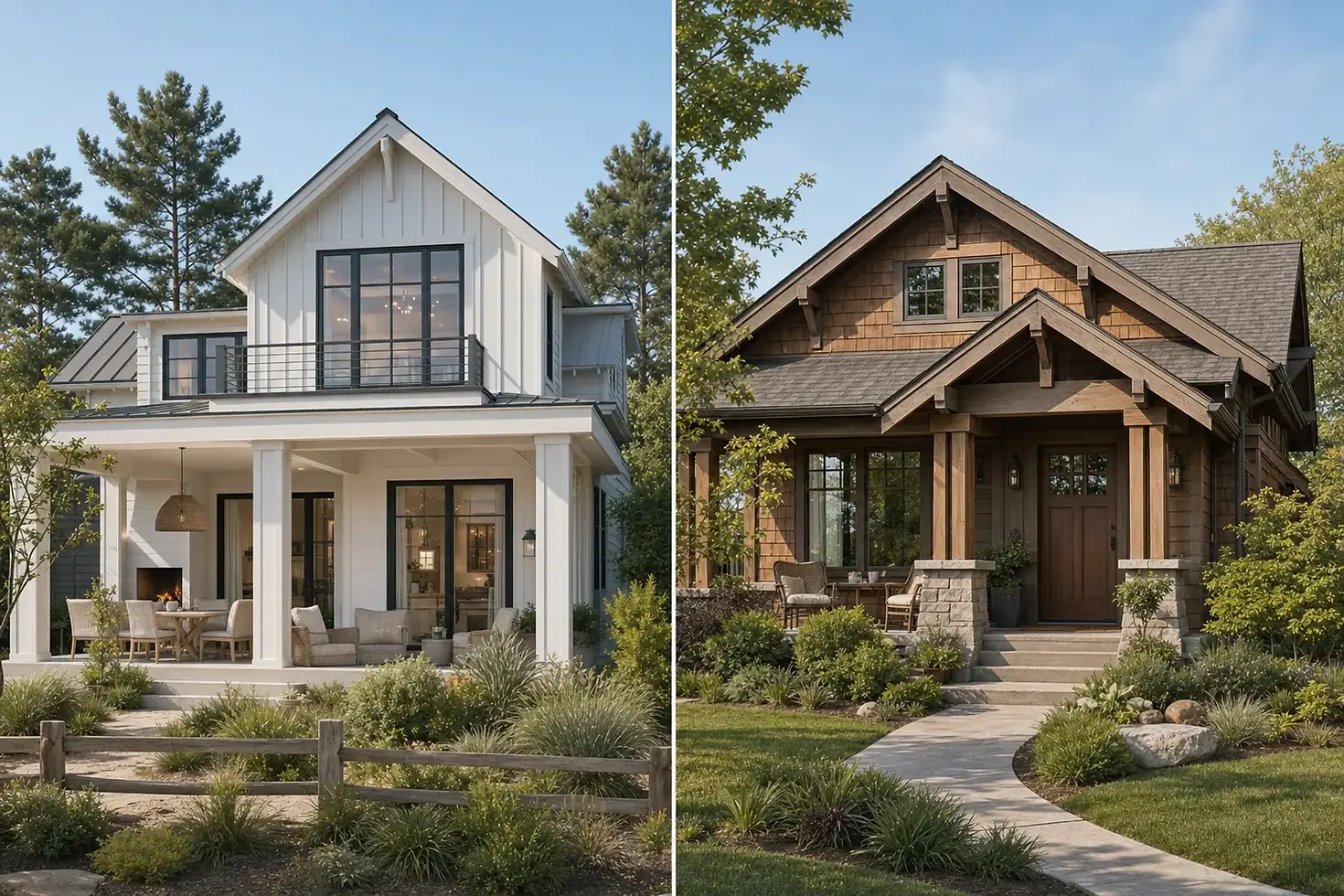
Coastal architecture draws inspiration from beachside living and water-adjacent communities. Modern coastal homes blend relaxed elegance with clean lines, creating spaces that feel open, airy, and light-filled.
Key characteristics of coastal designs include:
Bright, neutral color palettes: whites, soft grays, sandy tones, and pale blues
Large windows and glass doors that maximize natural light and views
Open floor plans with flowing spaces between living areas
Covered porches and outdoor living spaces for entertaining
Light wood accents, shiplap, and nautical-inspired details
Elevated designs that account for weather and water proximity
Modern amenities mixed with relaxed, informal layouts
Coastal plans work exceptionally well in warm climates and neighborhoods near water, but they're equally attractive in inland communities where homeowners want that vacation-home feeling year-round. The style emphasizes livability and the connection between indoor and outdoor spaces.
What Defines Craftsman House Plans
Craftsman architecture emerged in the early 1900s as a reaction to mass production, emphasizing handmade quality and visible construction details. Modern craftsman homes honor that heritage while incorporating contemporary comfort and functionality.
Key characteristics of craftsman designs include:
Prominent front porches with tapered columns or stone pillars
Exposed beams, brackets, and structural details on the exterior and interior
Warm wood tones and natural materials throughout
Detailed millwork, trim, and built-in cabinetry
Gabled roofs and asymmetrical facades
Smaller, more purposeful window placements
Open-concept living that still maintains defined room separation
Quality craftsmanship visible in every detail
Craftsman homes appeal to buyers who value tradition, durability, and the timeless aesthetic of well-made things. The style works beautifully in established neighborhoods and communities with strong architectural character.
Design Aesthetics and Visual Impact
The visual differences between these styles are striking. Coastal homes prioritize brightness and simplicity, with horizontal lines, streamlined trim, and minimal ornamentation. They feel contemporary and minimalist. Craftsman homes are darker and more detailed, with vertical emphasis, heavy timber work, and layered architectural elements. They feel grounded and timeless.
If you're drawn to modern, light-filled spaces with minimal visual clutter, coastal appeals to you. If you prefer depth, texture, and visible craftsmanship, Craftsman will feel more like home. Your choice often reflects how you want to feel in your space daily: relaxed and open, or warm and rooted.
Layout and Livability Differences
These architectural styles shape how homes flow and function in meaningful ways.
Coastal plans typically feature:
Large, unified living-dining-kitchen areas
Master suites positioned for privacy and often with water views
Multiple outdoor transition spaces
Flexible rooms that adapt to modern entertaining
High ceilings and vertical space to enhance openness
Craftsman plans typically feature:
Defined living, dining, and family rooms with clear boundaries
Built-in cabinetry and shelving for storage and display
Cozy nooks and reading spaces
Prominent entries and formal foyers
Workshop or craft space integrated into the design
Your family's lifestyle matters here. Do you entertain large groups and want a fluid entertaining space? Coastal layouts excel at this. Do you prefer distinct rooms where multiple family members can pursue different activities? Craftsman designs support this better.
Building and Maintenance Considerations
Both styles are code-compliant and buildable across diverse climates, but practical differences exist.
Coastal homes often require:
More extensive exterior finishing and weatherproofing
Careful attention to water management and drainage
Regular maintenance of larger window and door systems
Elevation or special foundations in certain climates
Craftsman homes often require:
More detailed interior finishing and trim work
Staining and sealing of wood elements
Attention to matching finishes across built-ins
Investment in authentic materials and quality hardware
Neither style is inherently more expensive to maintain, but they demand different types of attention. Coastal homes need protection from the elements and moisture. Craftsman homes need preservation of their detailed woodwork and finishes.
Which Style Fits Your Budget
Architect-designed plans from RBA Home Plans start at $1,395, making professional design accessible regardless of your style preference. Both coastal and craftsman designs are available across price points and square footage ranges.
Your budget might influence complexity rather than style choice. A simple craftsman cottage can be more affordable to build than an elaborate coastal estate, and vice versa. Work with your contractor to understand which details matter most for your build and where cost-saving modifications are possible without compromising the design's integrity.
Find Your Perfect House Plan Browse architect-designed plans ready to build, starting at $1,395. Browse Plans
Making Your Final Choice
The decision between coastal and craftsman ultimately comes down to three questions: What visual style makes you happy when you walk through the door? How do you want your home to function day-to-day? What architectural character fits your community and your personal values?
Visit both collections to browse specific plans. Look at floor plans alongside exterior renderings. Imagine living in each style for the next 10, 20, or 30 years. Talk with your contractor about which style aligns with local building practices and available materials in your area.
Both coastal and craftsman house plans deliver architect-designed quality, code compliance, and proven buildability. Your choice simply reflects who you are and how you want to live. When you're ready to explore plans in either style, RBA Home Plans offers a curated selection of architect-designed homes ready to build with confidence across more than 30 states.


Comments